IPMSDL joins CBDDH’s 8th National Meeting in Brasília
Brasília, Brazil | March 17–19
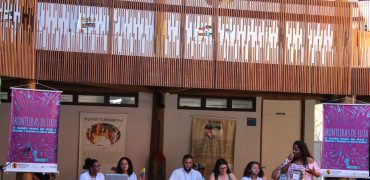
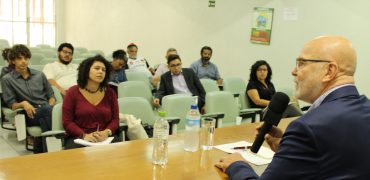
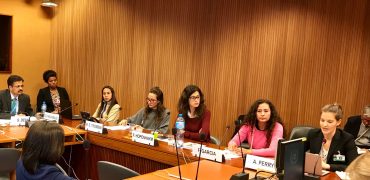
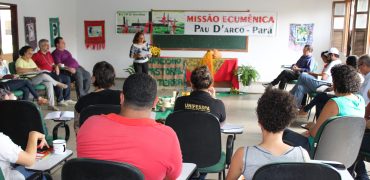
From March 17–19, the Indigenous Peoples Movement for Self-Determination and Liberation (IPMSDL), represented by its Secretariat Global Coordinator Paul Belisario, joined the 8th National Meeting of the Comitê Brasileiro de Defensoras e Defensores dos Direitos Humanos (CBDDH) in Brasília, under the central theme “Protection of Human Rights Defenders in the Global South: Challenges and Strategies.” CBDDH is the Brazilian Committee of Human Rights Defenders. IPMSDL’s participation also extends as a network member of the Asia Pacific Network of Environment Defenders (APNED).
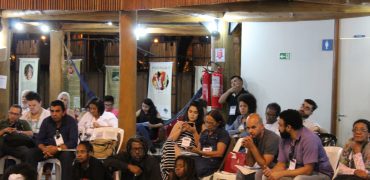
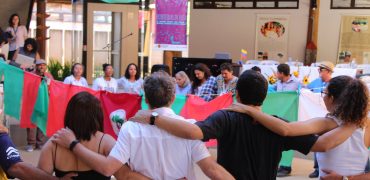
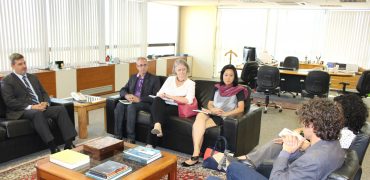
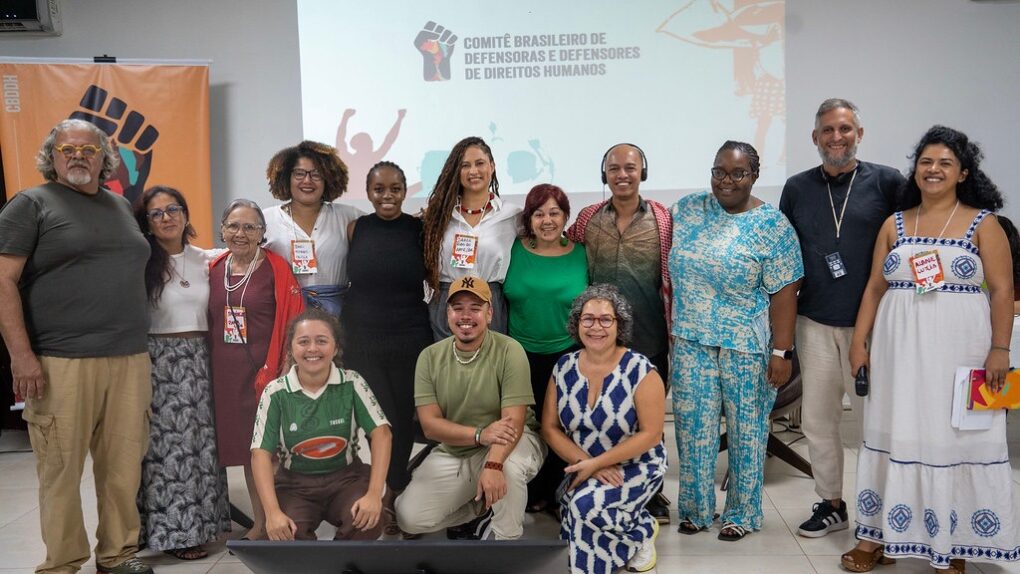
The meeting convened civil society organizations and social movements framed towards strategic dialogue among CBDDH’s member organizations, alongside invited international partners. The gathering drew around 60 participants from Brazil, Colombia, the Philippines, and South Africa. Representatives of the French Embassy, the UN Office of the High Commissioner for Human Rights (OHCHR), and Brazil’s National Council for Human Rights (CNDH) also accompanied the event.
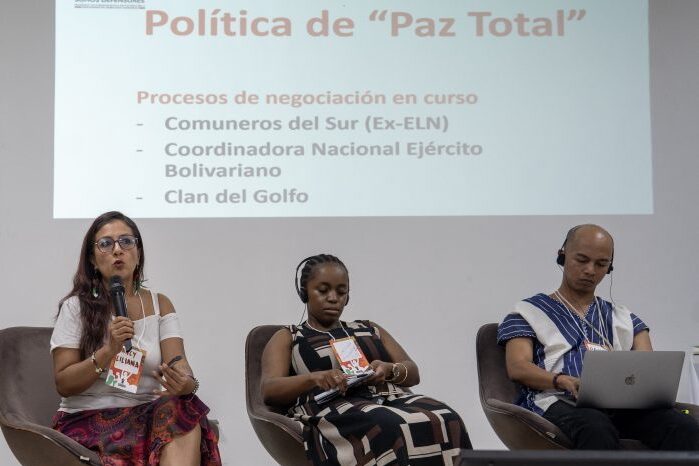
IPMSDL and APNED, as CBDDH’s partner network in Asia, were joined by two other Global South cohorts: the African Initiative of Women Human Rights Defenders (WHRD Initiative), South Africa, and Somos Defensores (We Are Defenders), Colombia. This convening of Asia, African, and Latin American defenders alongside Brazilian civil society reflected a deliberate effort by CBDDH to build cross-regional solidarity, sharing experiences and understanding today’s challenges.
Brazil’s Context and Its International Importance
The meeting’s agenda addressed a wide-ranging set of issues central to the protection of human rights defenders, including an understanding of the political context analysis of Brazil, Latin America, and the global situation. It covered the threats of growing imperialist attacks in Brazil and Latin America, the weakening of multilateralism, attacks on democratic institutions, and most importantly the approaching October 2026 elections in Brazil.
The debates also discussed public security challenges and their direct impacts on human rights defenders, and a debate situating Brazilian struggles within a broader international context. The National Meeting also examined the National Protection Plan for Human Rights Defenders (PlanoDDH), its implementation and advocacy strategies at both federal and state levels, and future political action strategies for the network moving beyond existing state-run institutional protection programs.
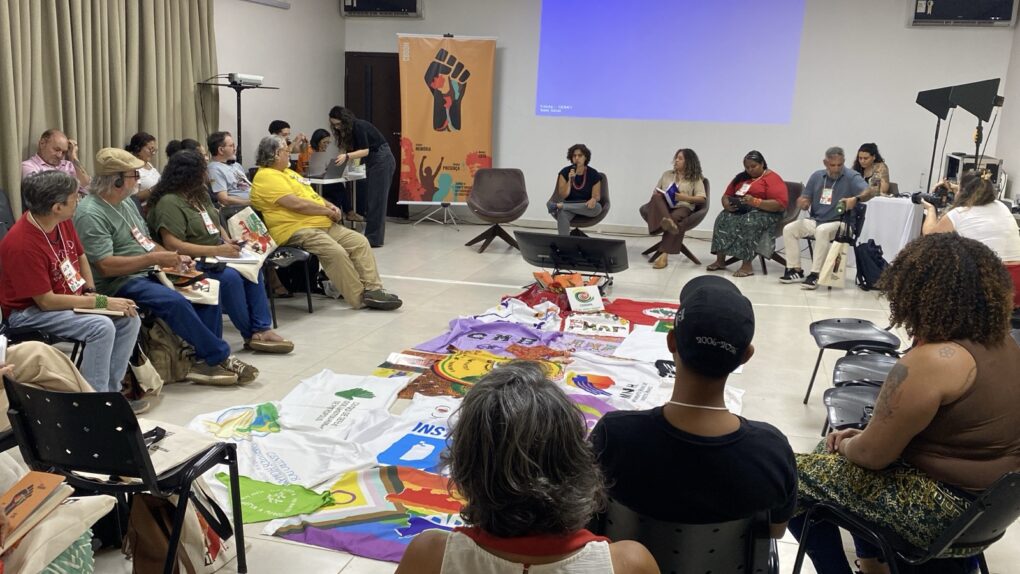
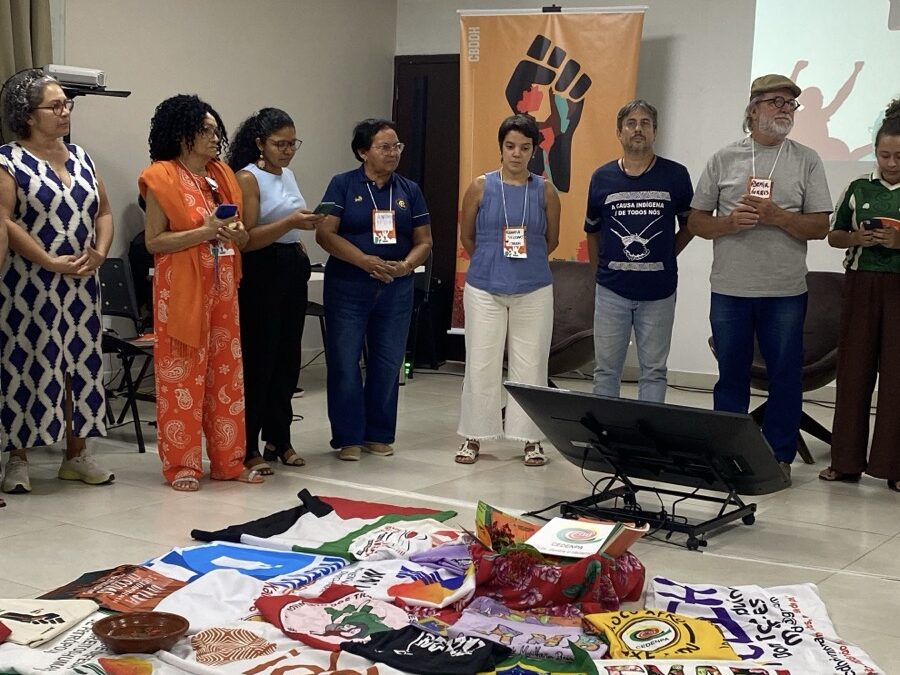
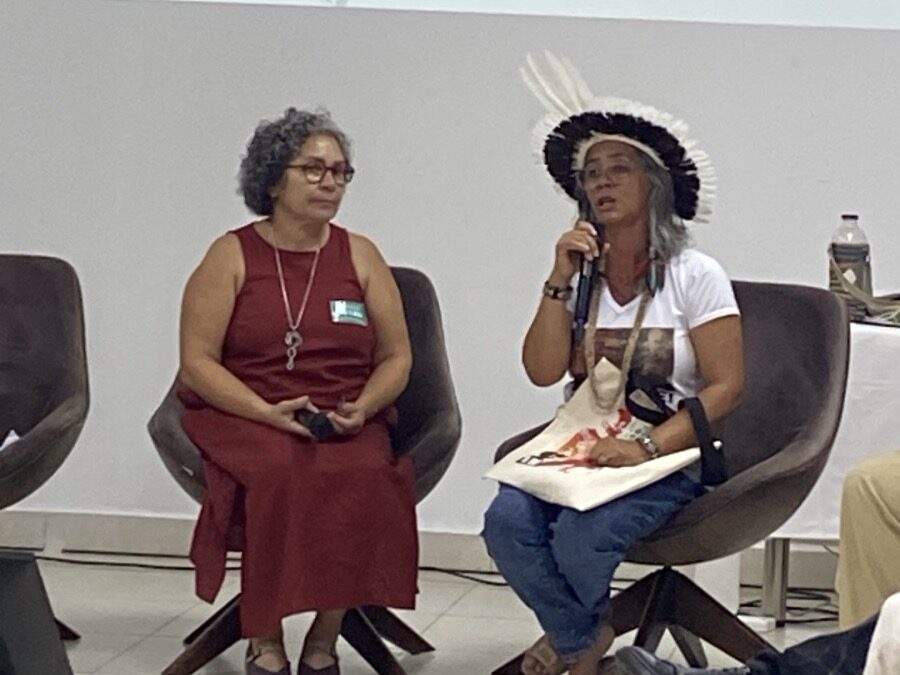
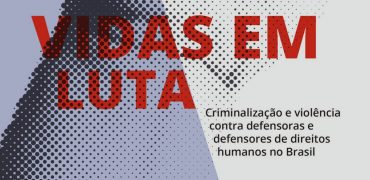
The gathering also marked the relaunch of a special edition of the dossier Vidas em Luta: 20 anos na Defesa do Direito de Lutar (Lives in Struggle: 20 Years Defending the Right to Fight), marking the Committee’s two decades of collective action since 2004 in defense of the protection and recognition of the rights of people and groups facing threats, violence, and criminalization because of their activism. Self-care strategies, cultural activities, and traditional Brazilian gastronomy were also woven into the three days of exchange.
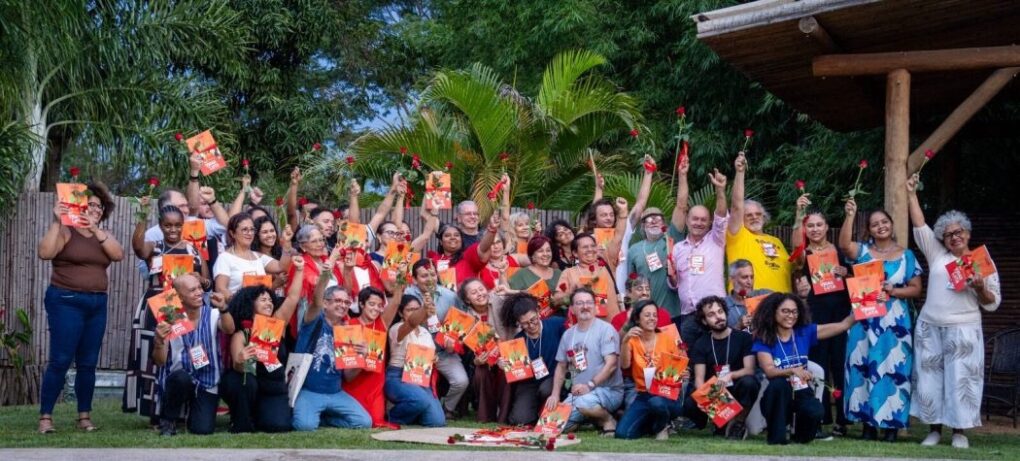
Increasing Attacks, Growing Struggles and Solidarity
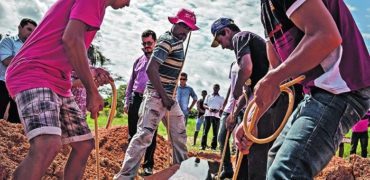
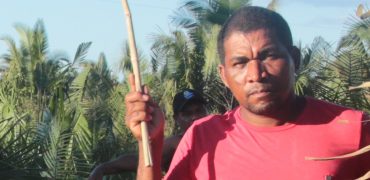
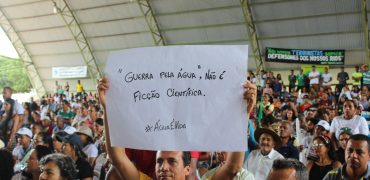
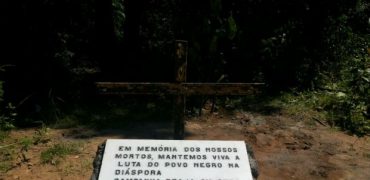
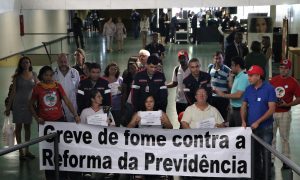
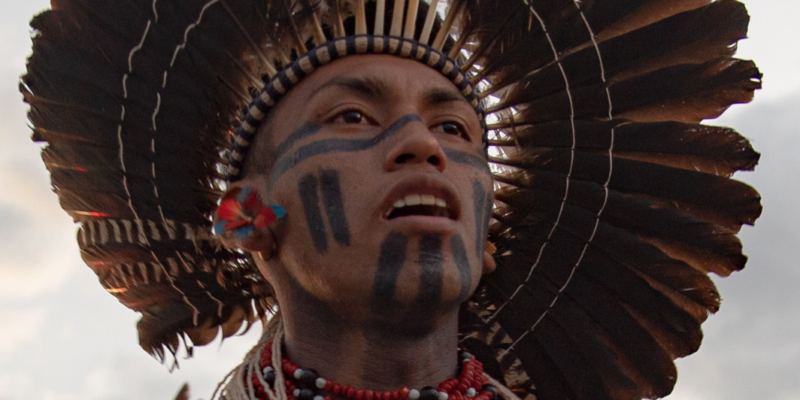
The Meeting came at a crucial moment in the context of growing criminalization, intimidation, and threats facing defenders in Brazil and across regions. Rich stories from an Indigenous leader from Bahia, landless workers, peasants and farmers, quilombola communities, women, youth, LGBTQIAPN+ and many rights and environment defenders grounded the strategies and protection developed in response, including plans on how to sustain and grow necessary people-to-people international unity and cooperation. The exchange offered a direct opportunity to compare notes across converging contexts of repression against defenders, reinforcing common ground between movements defending land, environment, and human rights across the Global South.
A further session addressed political violence in electoral contexts and its impact on defenders, including outlooks for the upcoming October 2026 elections in Brazil. International delegates also shared their particular work during electoral periods and how it affects defenders’ work in their countries, and what protection strategies have proven effective.
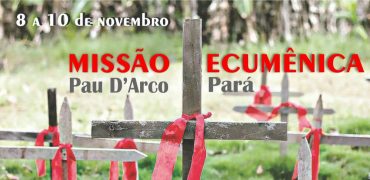
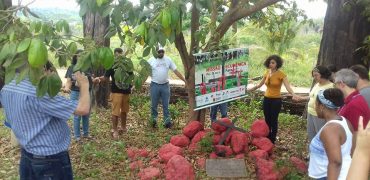
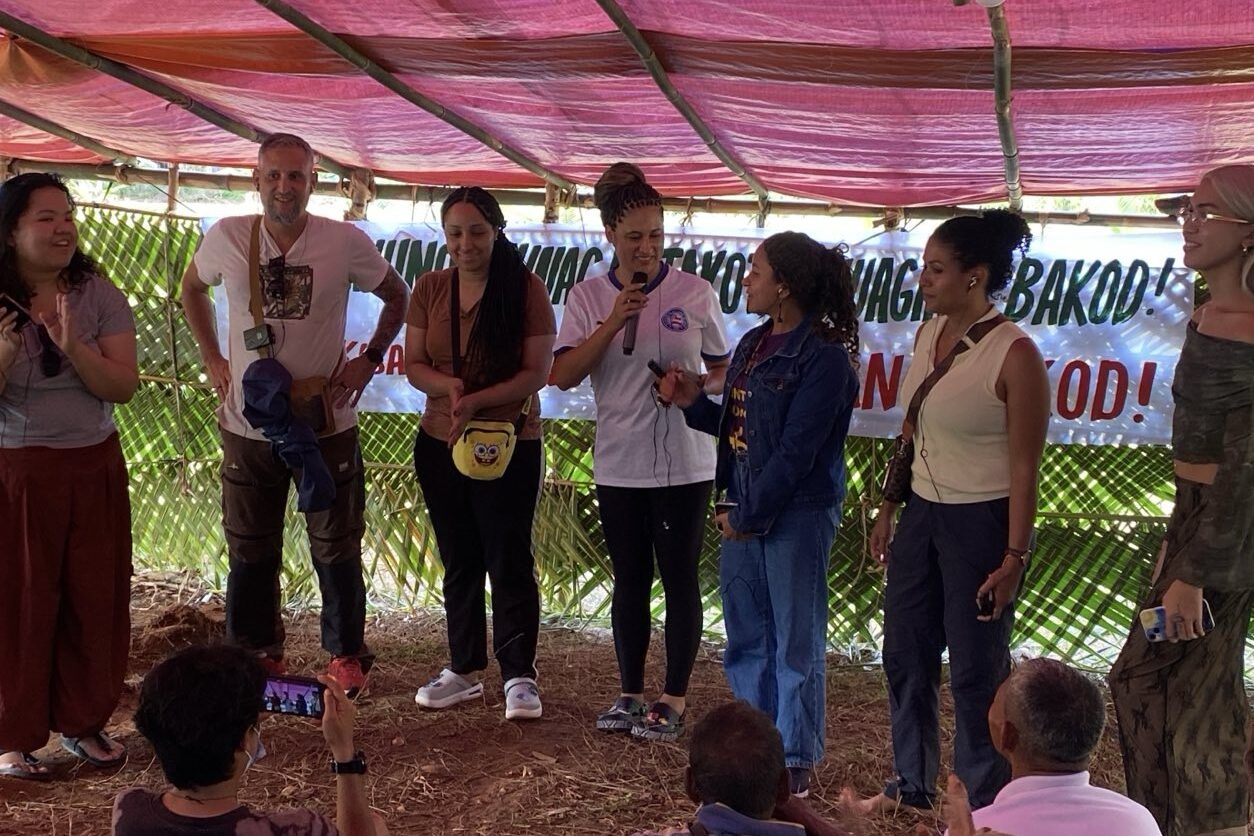
Right after the Meeting, a Territorial Mission to the Tapajós Region in the Amazon immediately commenced, giving a powerful and lasting experience of exchange between communities and movements defending their territories and human rights.
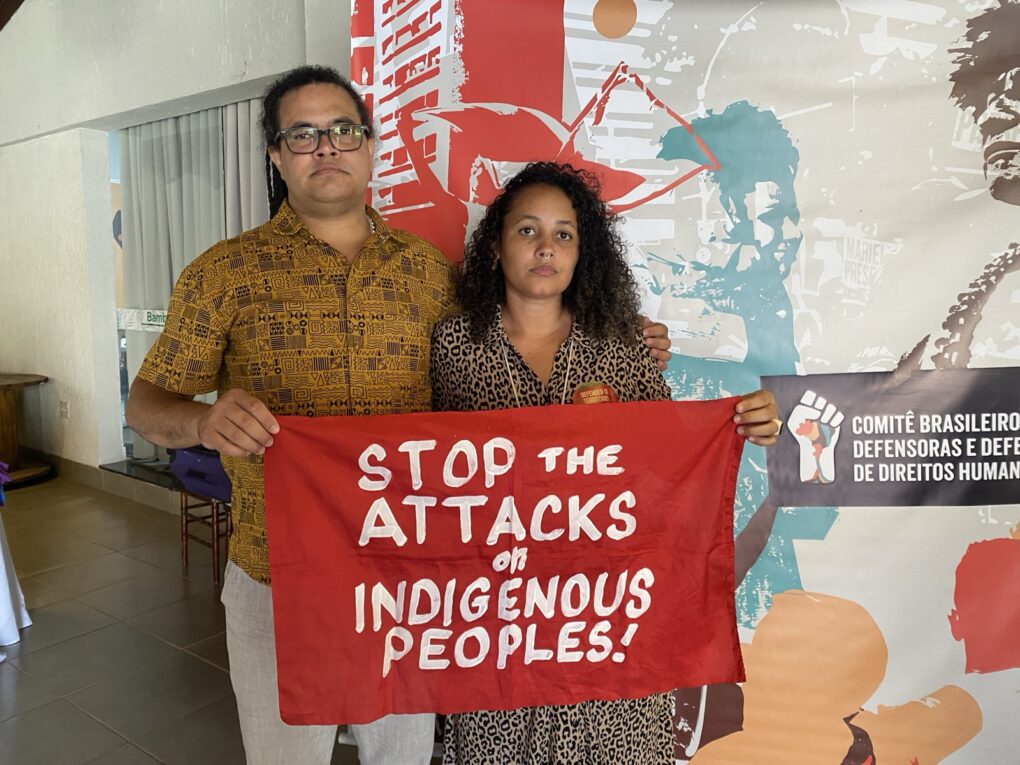
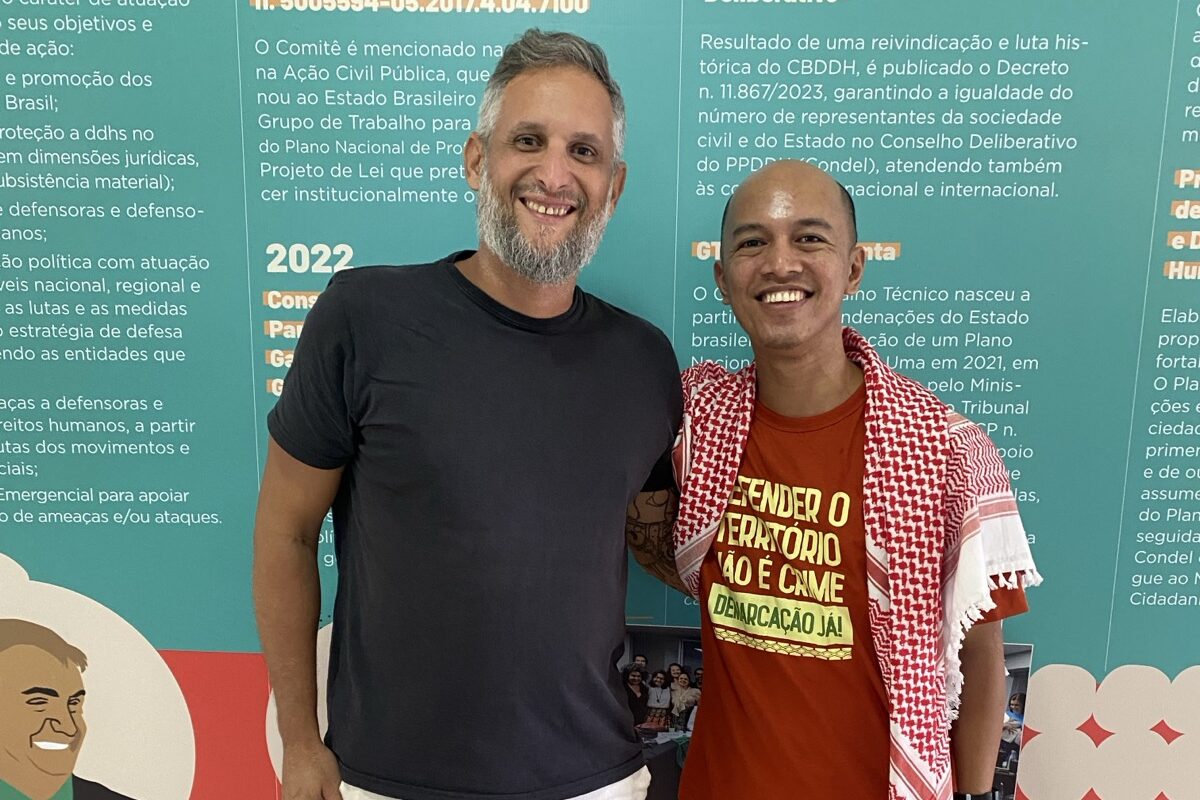
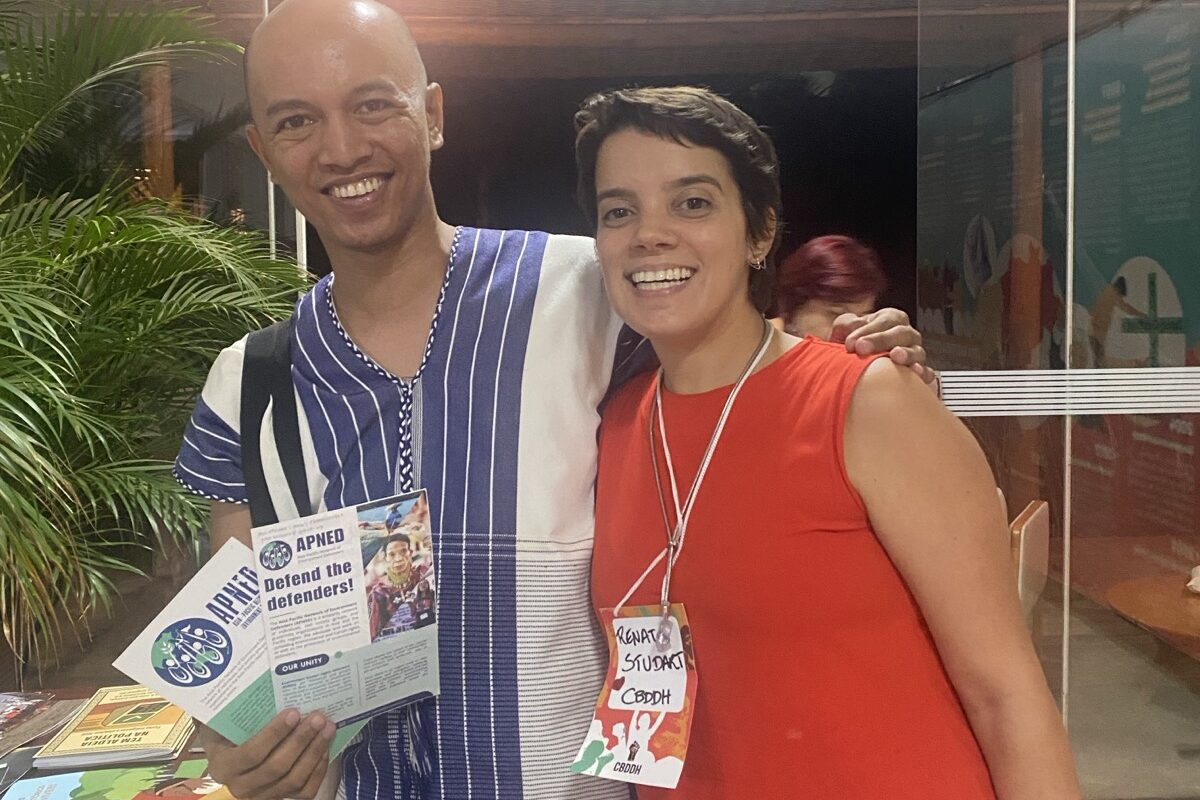
Carta Política
At the close of the three-day gathering, the CBDDH’s membership and international guests approved a Political Letter (Carta Política) formalizing the meeting’s shared analysis and demands. The letter denounces foreign external interventions, and the weakening of multilateralism, while defending peoples’ sovereignty and the international human rights system.
The document names the advance of the far right, imperialism, and anti-rights agendas as forces with disproportionate impact on the Global South marked historically by structural violations tied to colonialism, racism, and the exploitation of territories and peoples.
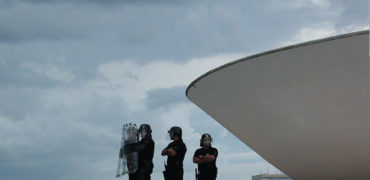
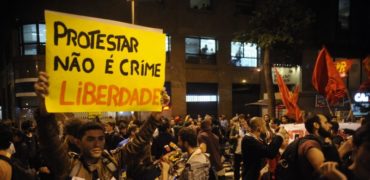
Across the three days, defenders from different countries identified problems common to their contexts globally: the criminalization of human rights defenders, environmental destruction, the militarization of territories, and state violence. These violations play out concretely in the territories, where communities of Indigenous Peoples, quilombola, and traditional communities also build their resistance.
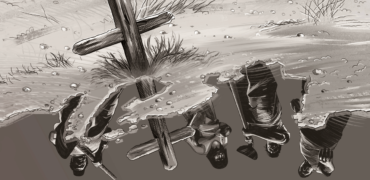
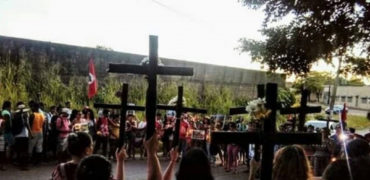
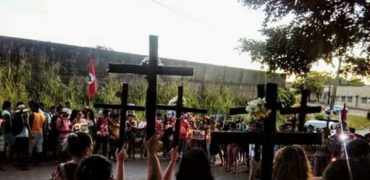
The letter recalls the Eldorado dos Carajás Massacre and denounces the continuity of patterns of violence, pointing in particular to Rio de Janeiro’s public security policy, marked by lethal operations and mass killings, as part of a systematic pattern of violations already recognized internationally as necropolitics.
The letter also emphasizes the worsening of violence against women defenders, more especially the quilombolas, Indigenous Peoples, and LGBTQIAPN+ women, calling for protection policies, and underscoring public care policies and community networks as fundamental strategies of collective protection.
Participants further warned of democratic instability, the advance of disinformation, the political use of religion, the activity of militias, and the manipulation of public debate through digital technologies by flagging the rising political violence and risks to democracy especially in the electoral context.
On PlanoDDH, the letter values the National Protection Plan for Human Rights Defenders as a historic achievement, while stressing that its effectiveness depends on state commitment, adequate resources, and social participation.
The participants also called on the Brazilian State to implement structural public protection policies and guarantee fundamental rights and territorial protection in full, framing the defense of democracy as inseparable from the protection of life, integrity, dignity, and the right to fight for rights. CBDDH, for its part, reaffirmed its role in defending democracy and confronting human rights violations, closing with a reaffirmation of the continuity of the collective struggle.
Continuity of a Broader Solidarity Process
This participation is not a standalone engagement but part of sustained exchanges between IPMSDL/APNED and CBDDH that began in the previous year.
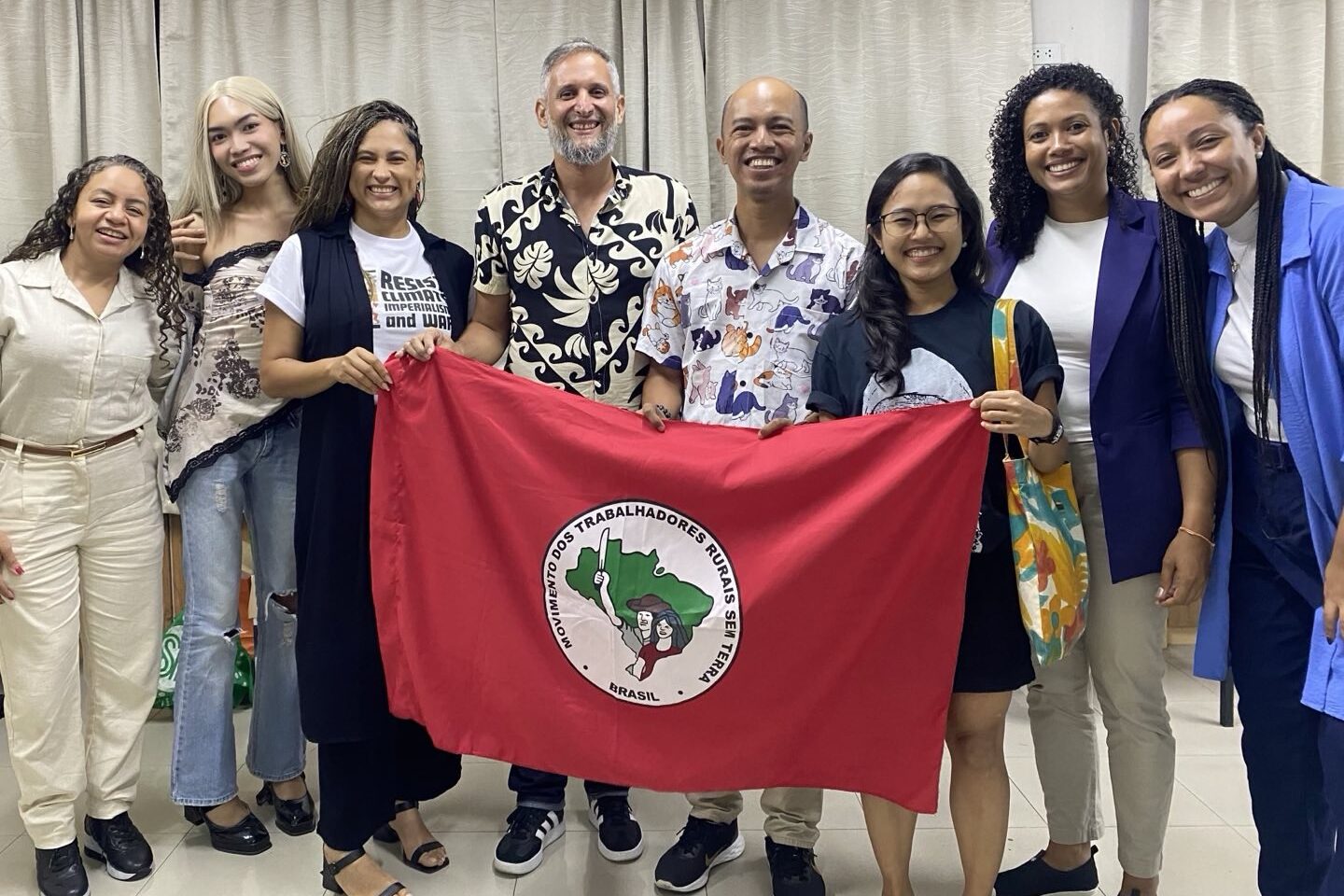
In October 2025, IPMSDL and APNED hosted a delegation of five Brazilian defenders — from Terra de Direitos, Justiça Global, the Movimento dos Trabalhadores Rurais Sem Terra (MST), the Confederação Nacional dos Trabalhadores na Agricultura (CONTAG), and the Association of Lawyers for Rural Workers of the State of Bahia (AATR/BA) — for the Asia Pacific People’s Conference Against Climate Imperialism and Militarism. That gathering included the sessions “Defending Lands and Territories: Uniting Against Climate Injustice and Militarism” and “Grounding Solidarity: A Learning and Solidarity Mission to Communities Affected by Climate Injustice and Militarism.”
In November 2025, further engagements were solidified as organizations again met at COP 30 in the Amazonian region in Belém.
For IPMSDL, the gathering opens immense opportunities to learn so much and build stronger links for its work as a movement cementing its global commitment to advance Indigenous Peoples’ struggles for self-determination, rights, and land protection across Asia and the Pacific, Latin America, and Africa.
Wherever across global regions, the hand of imperialist hegemony and intervention fueling criminalization, shrinking civic space, and rights violations was painted more clearly in this Meeting — demanding urgent, durable, and community-rooted solutions and strategies.#